How should I scope the install?
Use these when you need to understand installation approach, substrate fit, and when a project crosses from simple mounting into custom scope.
Guide hub for Texas planning
Start with the practical question in front of you: install scope, pricing, fire documentation, HOA review, local planning, or project proof. This page is designed to move you into the right next resource instead of leaving you in a loose article archive.
Guide hub
These paths are grouped around real planning decisions, not publish dates, so you can move from research into proof or pricing without guessing where to click next.
Use these when you need to understand installation approach, substrate fit, and when a project crosses from simple mounting into custom scope.
Start here when documentation, approval risk, or code questions matter more than design inspiration.
Use project proof first when you want honest examples, local context, or a visual archive without promoting the gallery as a primary nav destination.
Core guides
These are the first reads for people comparing install paths, documentation needs, and product-fit questions before they move into a quote or scope review.
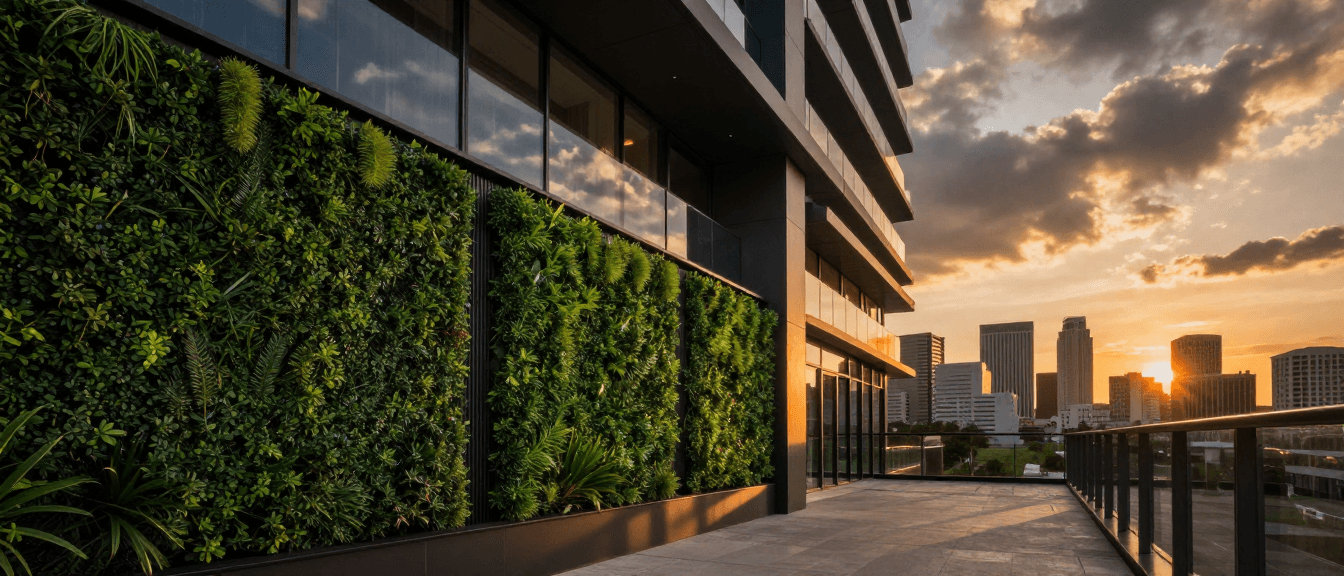
A clear explanation of the two fire test standards most commonly applied to artificial hedges and living walls—what each one measures, how they differ, and which one your project needs.
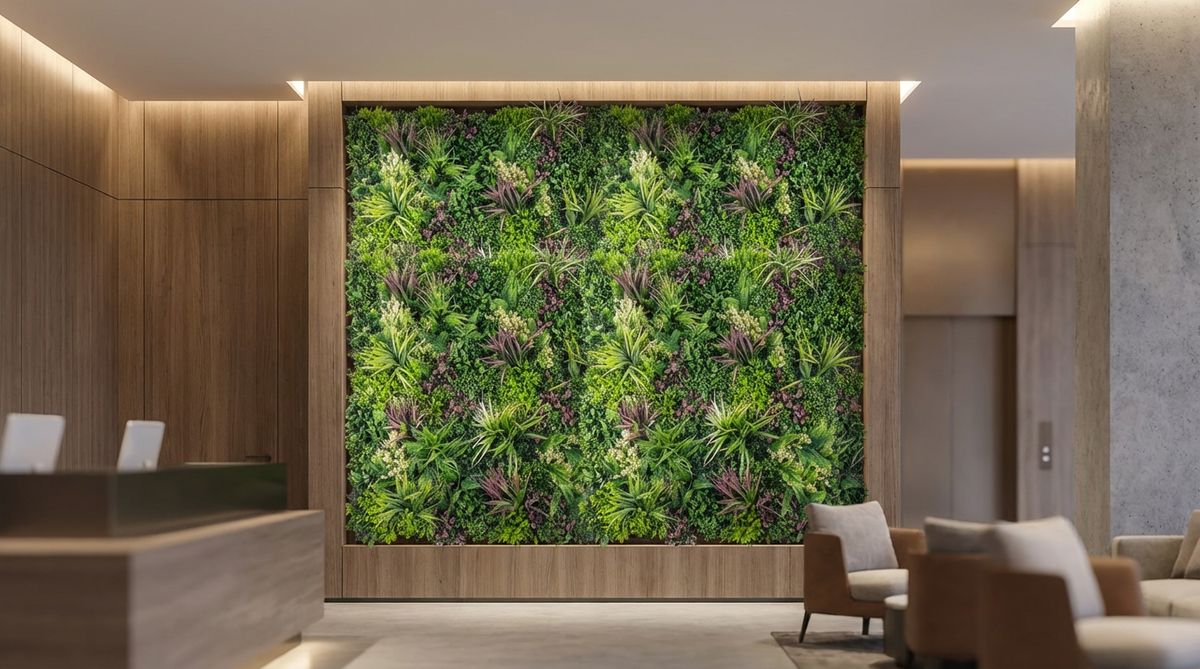
What changes between indoor and outdoor artificial living wall installations in Texas—materials, UV requirements, fire code, mounting, cost, and design considerations for each environment.
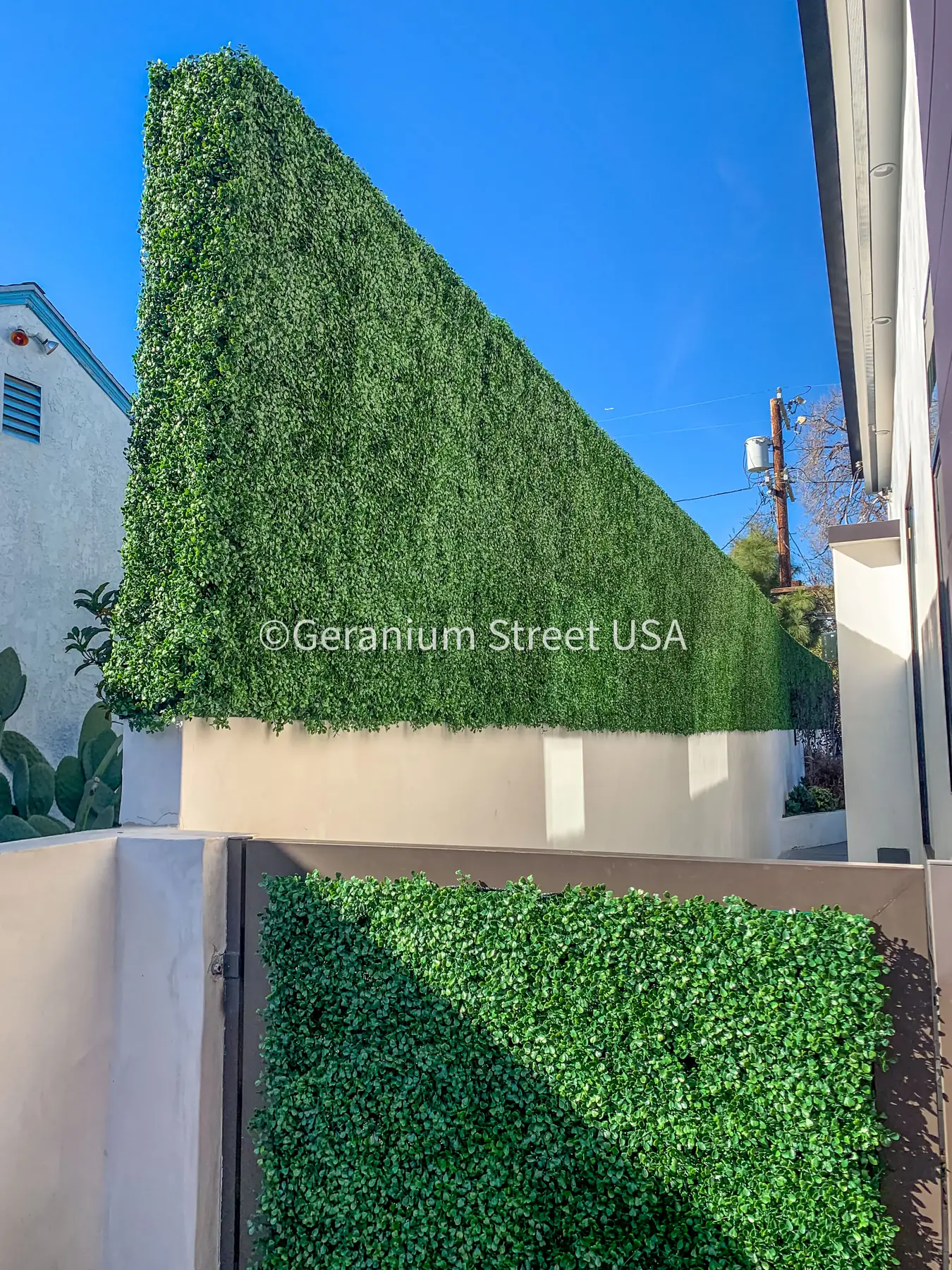
When to install artificial hedges yourself and when to hire a professional—what each approach involves, the tools you need, common mistakes, and how to decide.
Browse by topic
Each topic clusters related articles and points you to the matching service, project-proof, or planning page.
6 guides
Privacy screens, pool privacy, HOA planning, durability, and installation advice.
9 guides
Design, materials, outdoor performance, and maintenance planning for artificial living walls.
12 guides
Fire-rated options, documentation, sequencing, and buying guidance for teams specifying greenery.
7 guides
Planning help for Austin, Dallas, Houston, San Antonio, and Fort Worth projects.
Money pages
Use these when you already know the type of project you’re planning.
Projects and local pages
Published project profiles are the strongest proof layer. City pages help when you need local framing or market context.
Recent posts
New posts still connect back to pricing, proof, service pages, city pages, and the commercial resource flow instead of living as one-off articles.
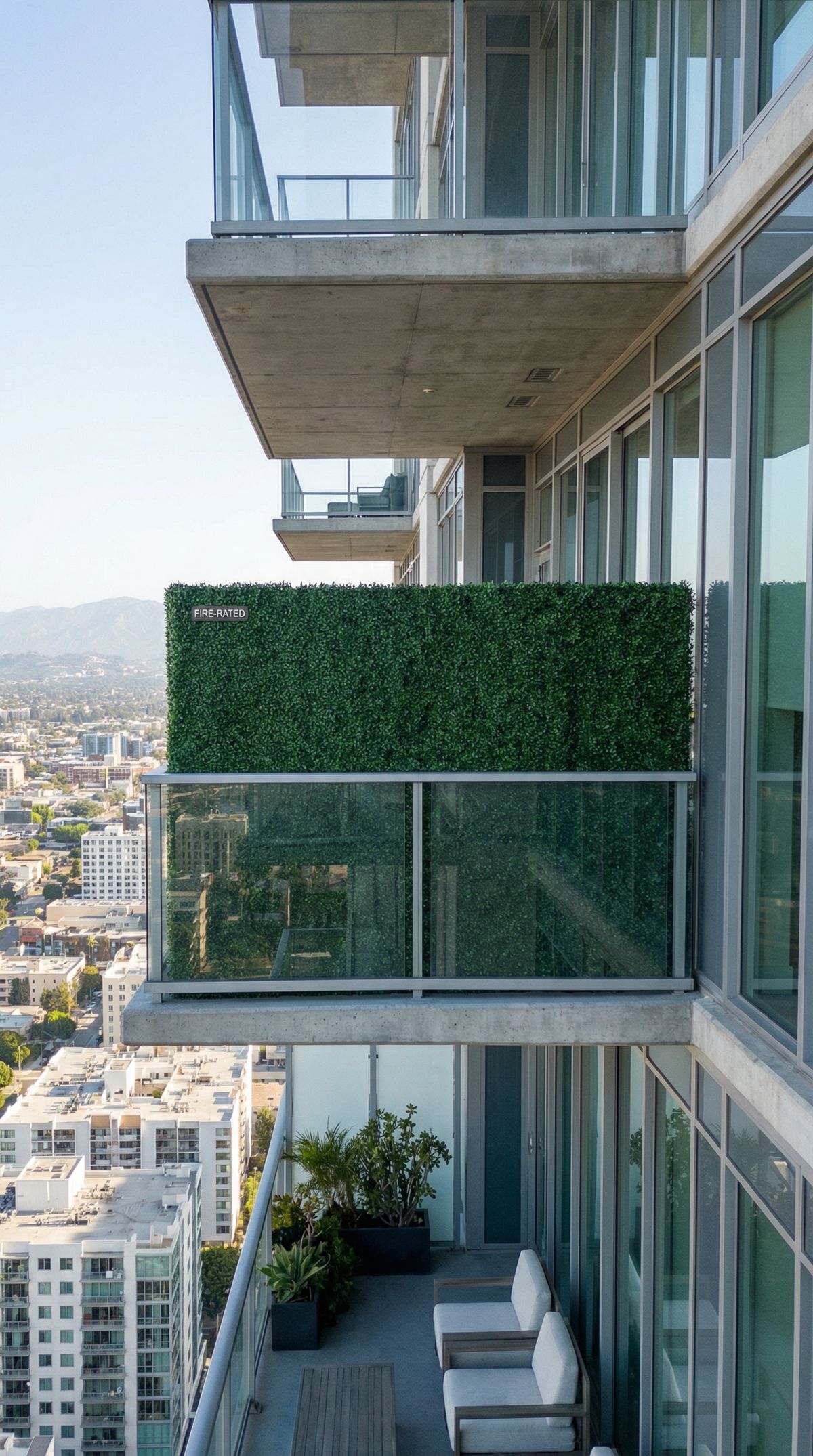
How to add privacy to apartment and condo balconies with artificial hedges that meet fire code requirements—high-rise fire safety, wind considerations, management approval, and what products work.
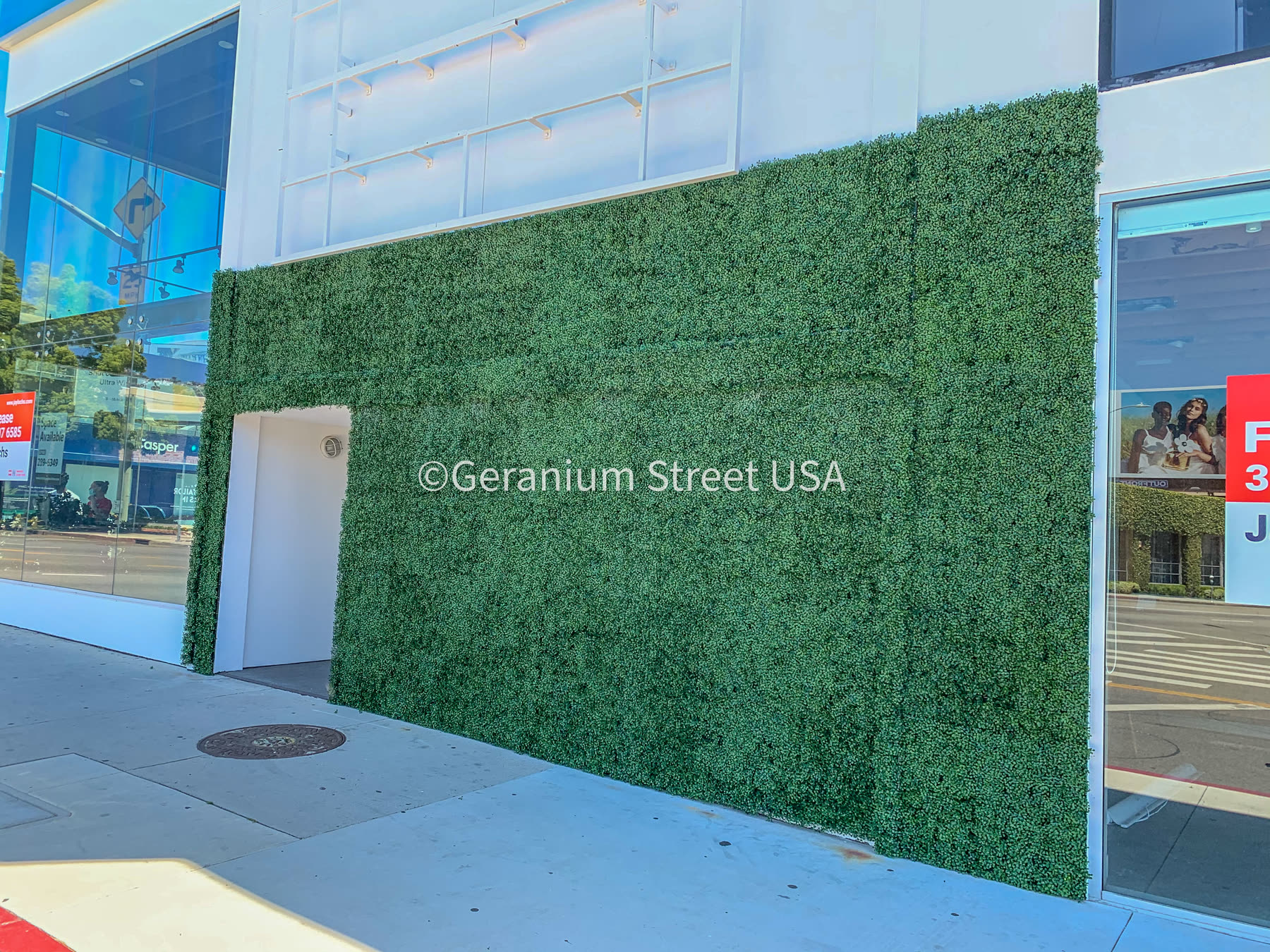
How artificial hedges and living walls work in hotel and hospitality environments—design considerations for lobbies, pools, and event spaces, fire code requirements for assembly and residential occupancies, and what makes an installation hold up under guest traffic.
How Texas restaurants and bars use artificial living walls and hedge panels for patios, dining rooms, and storefronts — with fire code notes, health department rules, and real ROI data.
How Texas fire codes apply to artificial greenery in commercial buildings—which codes Texas adopts, how occupancy types affect requirements, what the AHJ expects, and how to avoid problems during inspection.
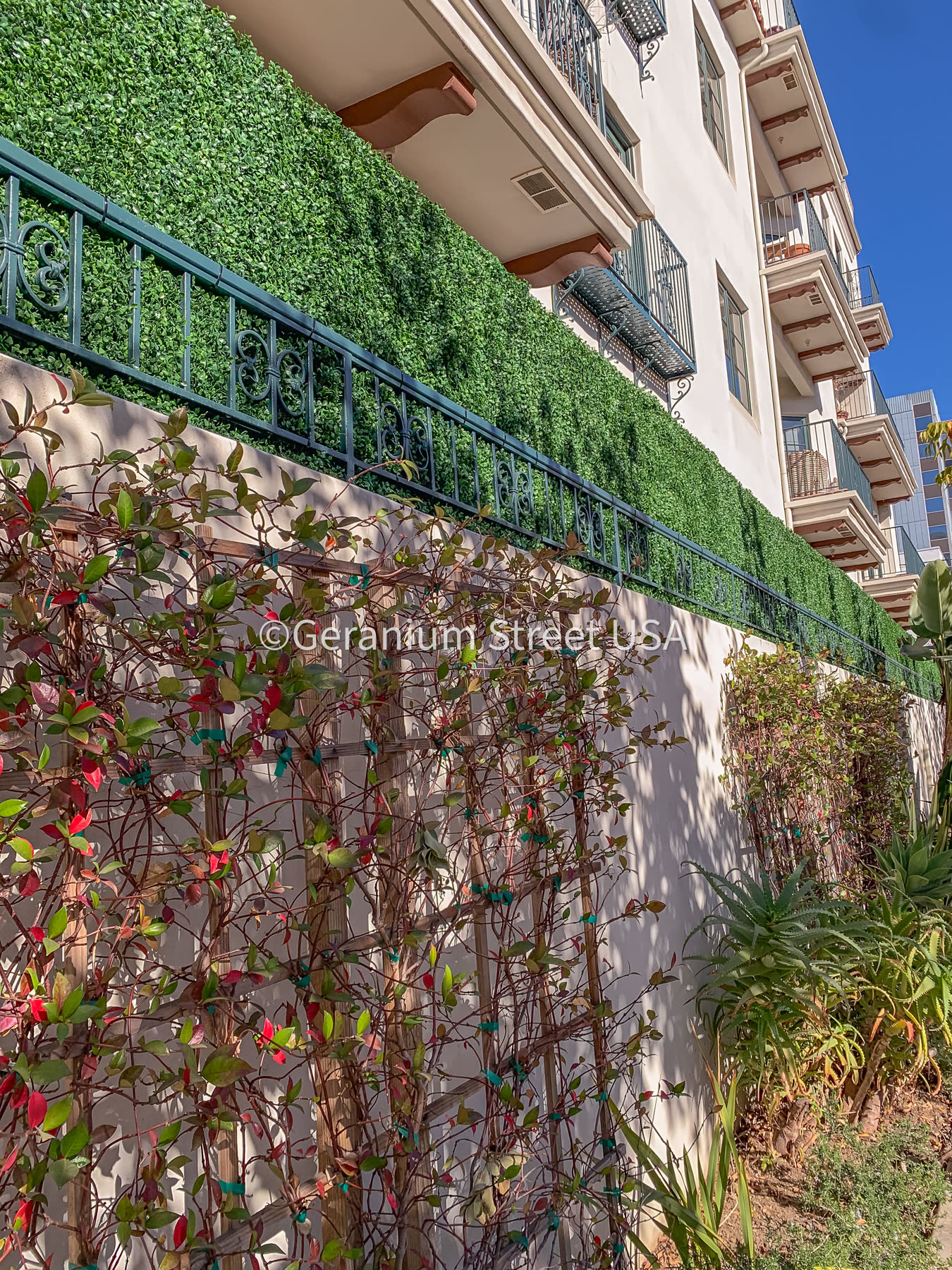
A side-by-side comparison of wood fences, vinyl fences, fence extensions, artificial hedges, and living walls for Texas backyard privacy. Real costs, lifespans, and city fence height limits.

A guide to the materials that hold up in Texas outdoor conditions—foliage polymers, UV stabilization, backing grids, fasteners, and what to look for when choosing panels for heat, UV, and humidity.
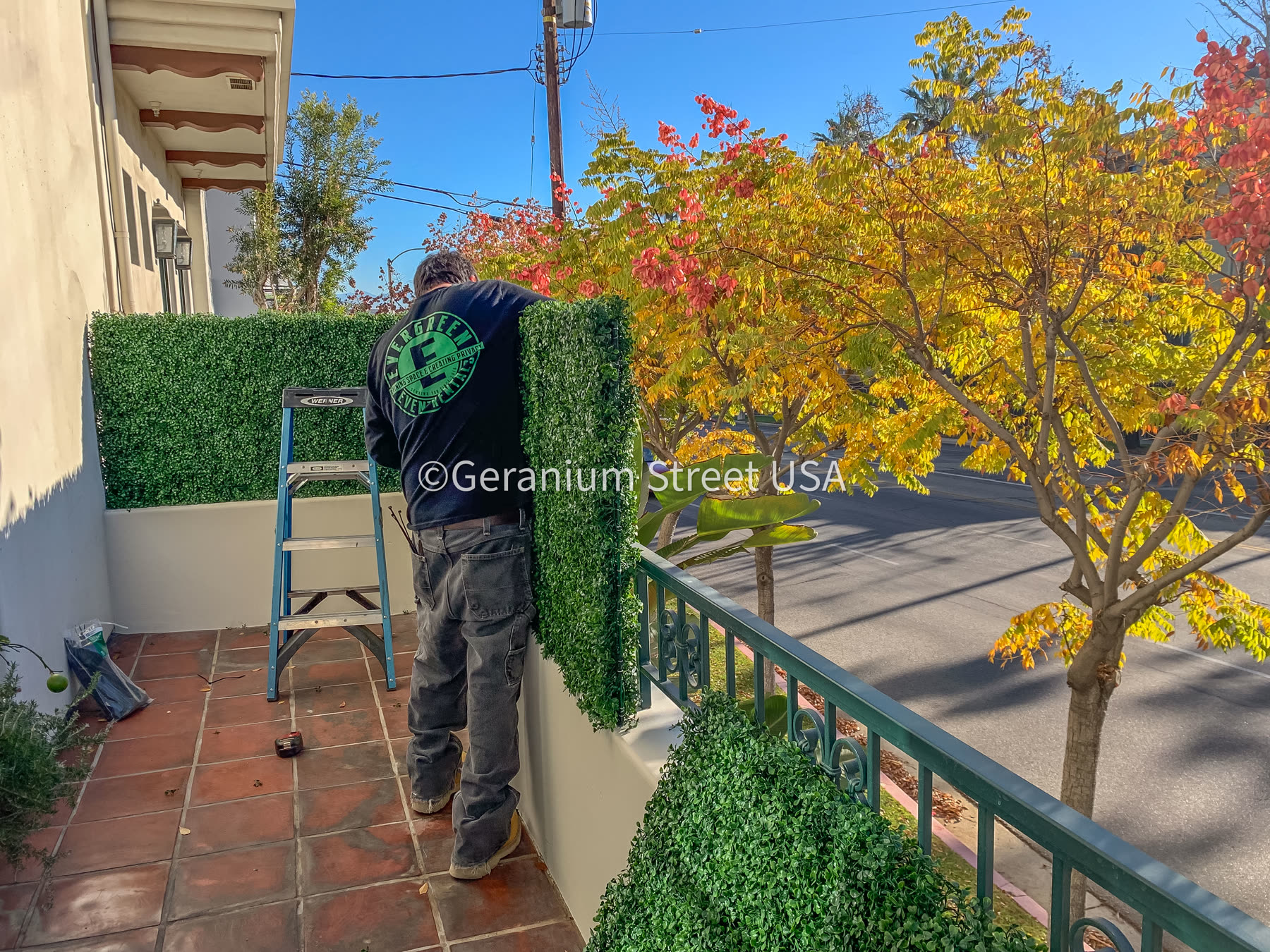
What Texas Property Code 202.007 says, where artificial hedges remain a gray area, and how to prepare a stronger HOA approval packet.
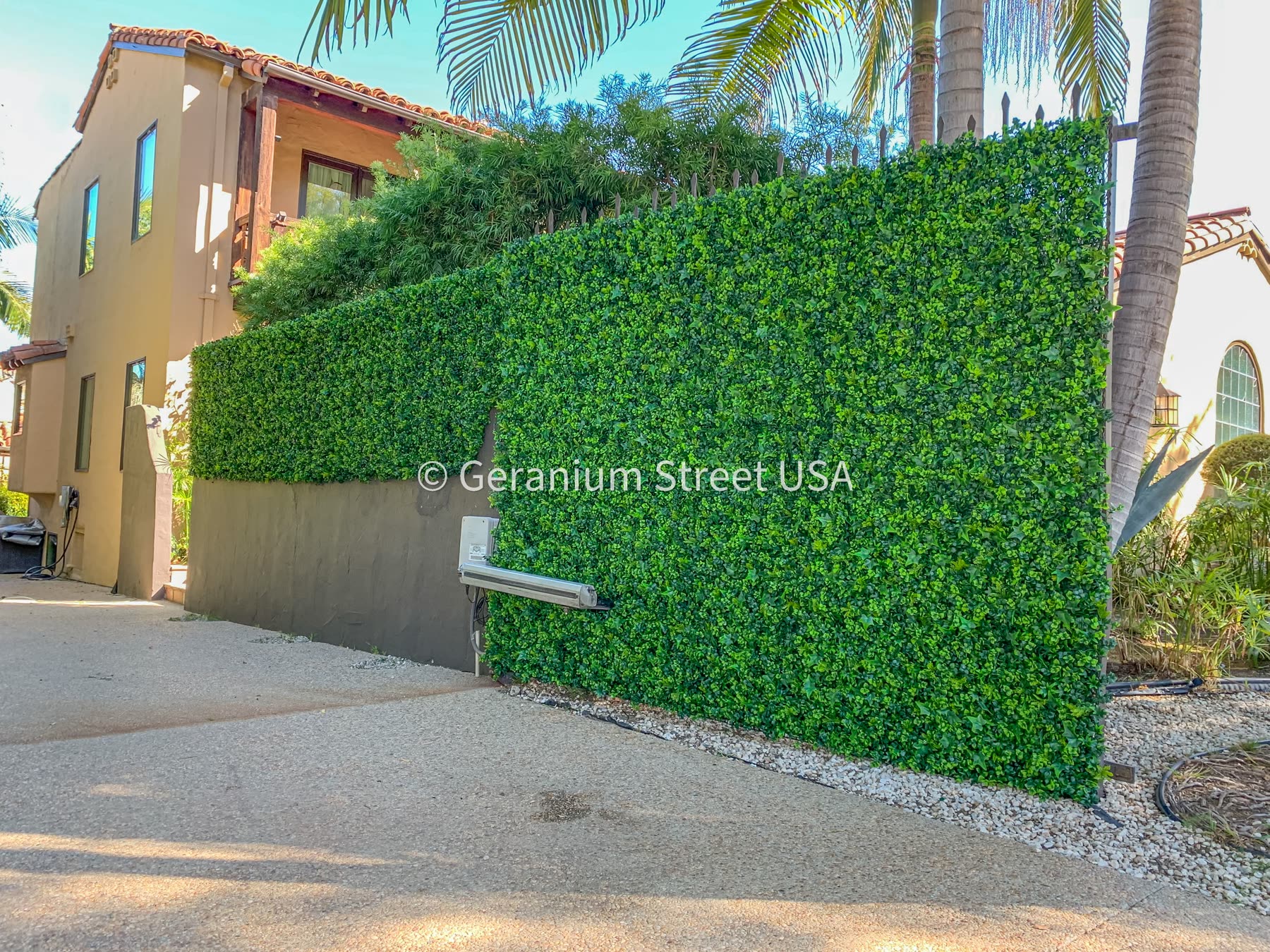
A side-by-side breakdown of real and artificial living walls for Texas properties. Costs, maintenance, lifespan, appearance, and when each one actually makes sense.
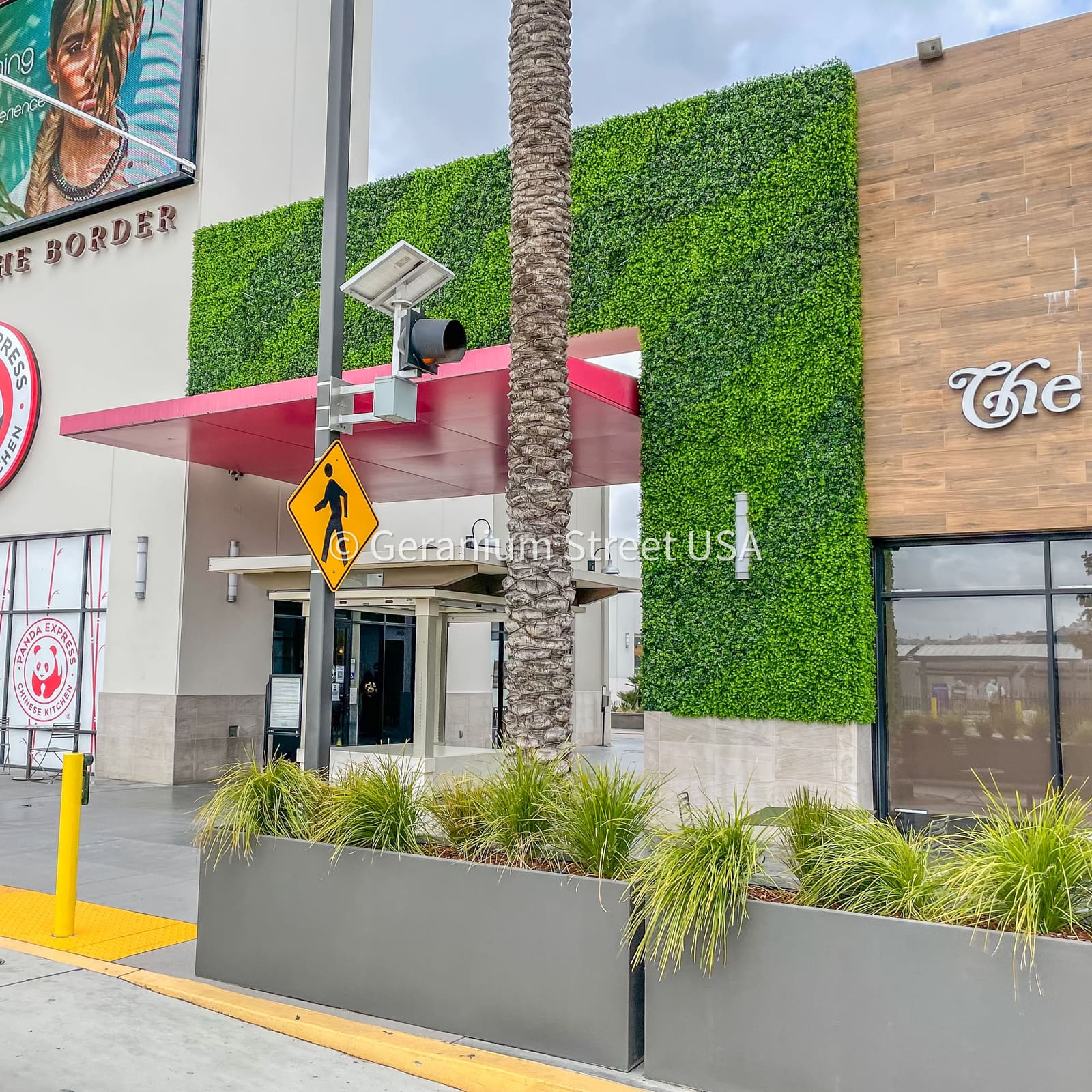
How artificial living walls deliver biophilic design benefits in commercial spaces—what the research says about greenery and wellbeing, practical applications for offices and retail, and why artificial walls often make more sense than live ones.