Introduction
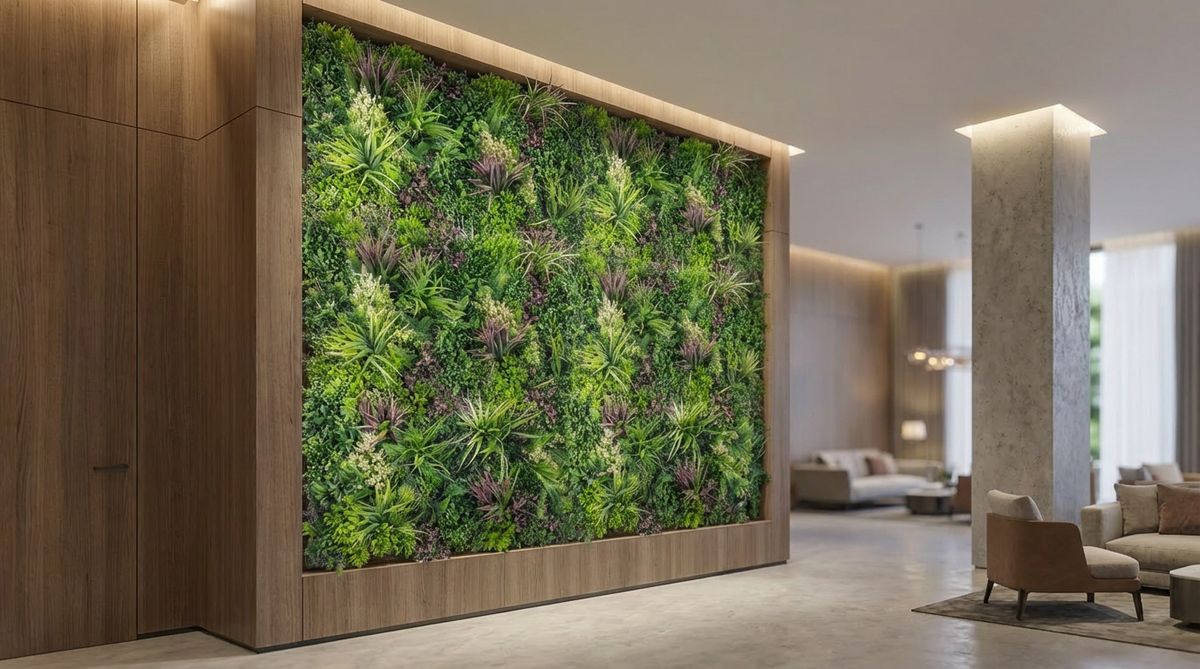
Texas heat doesn’t play nice with living plants. Between the scorching summers, unpredictable freezes, and water restrictions, keeping a lush green wall alive can feel like a full-time job. That’s why more business owners are weighing faux green walls against real plants—especially for high-visibility spaces like lobbies, restaurants, or office courtyards.
The decision between faux and live greenery involves more than just aesthetics. Business owners must consider long-term maintenance costs, local climate challenges, design flexibility, and even legal requirements. In cities like Houston where humidity fosters mold, or El Paso where water restrictions are stringent, faux solutions often provide practical advantages that outweigh initial costs.
Planning a similar project? See artificial hedge installs →.
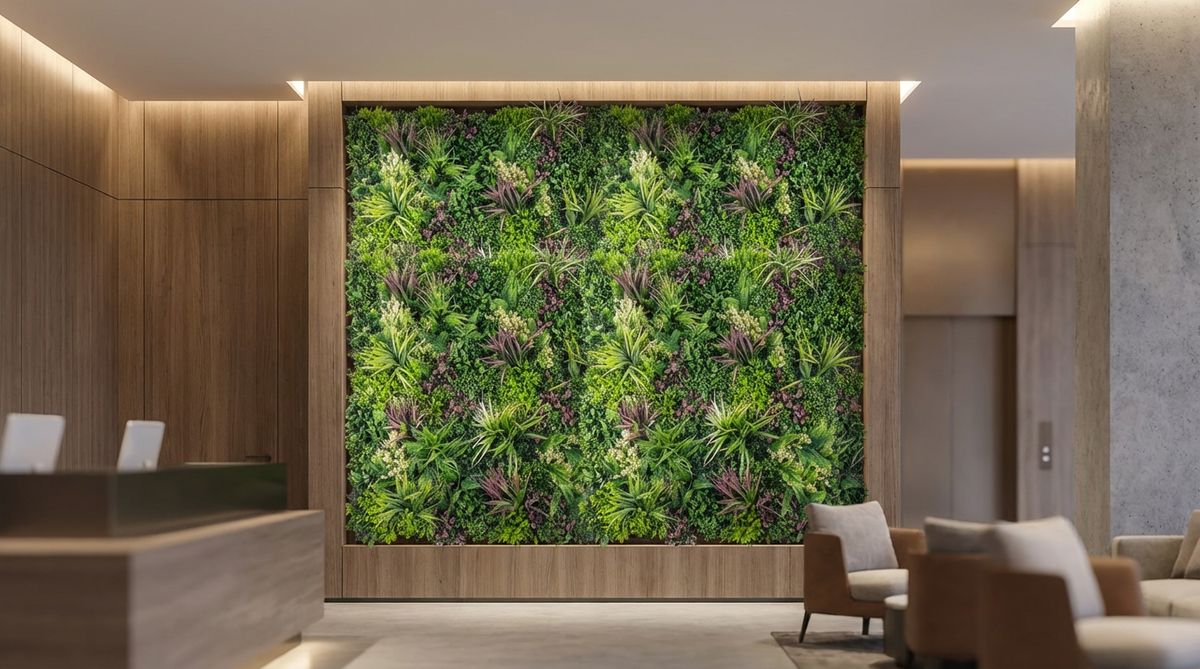
For commercial spaces, there are also branding considerations. A consistent, polished appearance matters for client-facing areas, and live plants can't always deliver that reliability. Meanwhile, modern faux systems now offer photorealistic textures and natural color variations that fool even discerning eyes.
But it's not just about survival. There’s design flexibility, fire codes for commercial spaces, and the sheer practicality of not having a plant funeral every three months. Let’s break down the real trade-offs, with Texas-specific quirks front and center.
The Maintenance Battle: Faux Wins on Paper
Planning a similar project?
Use these next pages while you read
They cover pricing, service details, and the next planning step without making you leave the article blind.
Real plants demand water, pruning, and pest control. In Dallas or Austin, that might mean daily irrigation in July—if local ordinances even allow it. Faux green walls? A quarterly dusting with a leaf blower or damp cloth covers it.
Live plant walls require specialized care that goes beyond typical landscaping. Irrigation systems must be meticulously maintained to prevent leaks and ensure even water distribution. Nutrient solutions for hydroponic systems need regular monitoring and adjustment. Pest infestations can spread rapidly in dense vertical plantings, requiring immediate treatment to prevent damage.
But here’s what nobody tells you: cheap faux plants fade. Texas UV rays bleach low-quality polyester leaves within a year. The premium stuff? UV-stabilized fabrics (like those used in outdoor furniture) hold up. LoneStar FauxScapes uses materials rated for 5+ years in direct sunlight, which matters when your storefront faces west.
For indoor installations, dust accumulation can dull faux walls over time. However, cleaning is straightforward with the right tools. Microfiber cloths and gentle cleaning solutions preserve the material's vibrancy without causing damage. Some high-end systems even incorporate anti-static treatments to minimize dust attraction.
The “Wow” Factor: Real Plants Have Limits
A living wall dripping with pothos and philodendrons looks incredible—for about two weeks. Then come the brown edges, dropped leaves, and the inevitable “Why does it smell like wet socks?” moment from overwatering.
The reality of living walls often falls short of the ideal. Plants may grow unevenly, creating patchy areas. Some species outcompete others, disrupting the designed pattern. Seasonal changes can cause unexpected dieback, especially during Texas' volatile spring weather transitions. Maintenance teams must constantly monitor and replace struggling plants to maintain visual continuity.
Faux walls don't grow, but they don't die either. A mixed bush fluid wall maintains the same density year-round, which is key for businesses needing consistency (think hotel atriums or medical offices). Some clients even mix real potted plants at the base with faux panels above to cheat the eye.
For high-traffic commercial spaces, faux walls offer another advantage: they can be designed with branding in mind. Companies can incorporate specific color schemes or even logo elements within the wall design. This level of customization is impossible with living plants that follow their own growth patterns.
Fire Codes and Insurance Surprises
Commercial properties in Houston or San Antonio often must meet NFPA 701 flame resistance standards for wall coverings. Many live plants aren’t inherently fire-resistant, especially when dry. Synthetic greens can be treated to comply—but verify the certs. One restaurant owner got slapped with a $3k fine after an inspector noticed their untreated ivy backdrop near kitchen vents.
The fire safety aspect extends beyond just the plants themselves. Irrigation systems for living walls introduce additional plumbing that must meet code requirements. Electrical components for grow lights or automated systems add another layer of compliance concerns. Faux installations eliminate these complexities while offering predictable performance under scrutiny.
Insurance premiums sometimes dip with faux installations too. No water damage claims from leaky irrigation systems, and less risk of mold in humid climates. Commercial insurers view faux walls as lower risk overall, which can translate to long-term savings. Some providers offer specific discounts for businesses that choose fire-rated artificial greenery in lieu of living systems.
Cost Over 5 Years: The Hidden Math
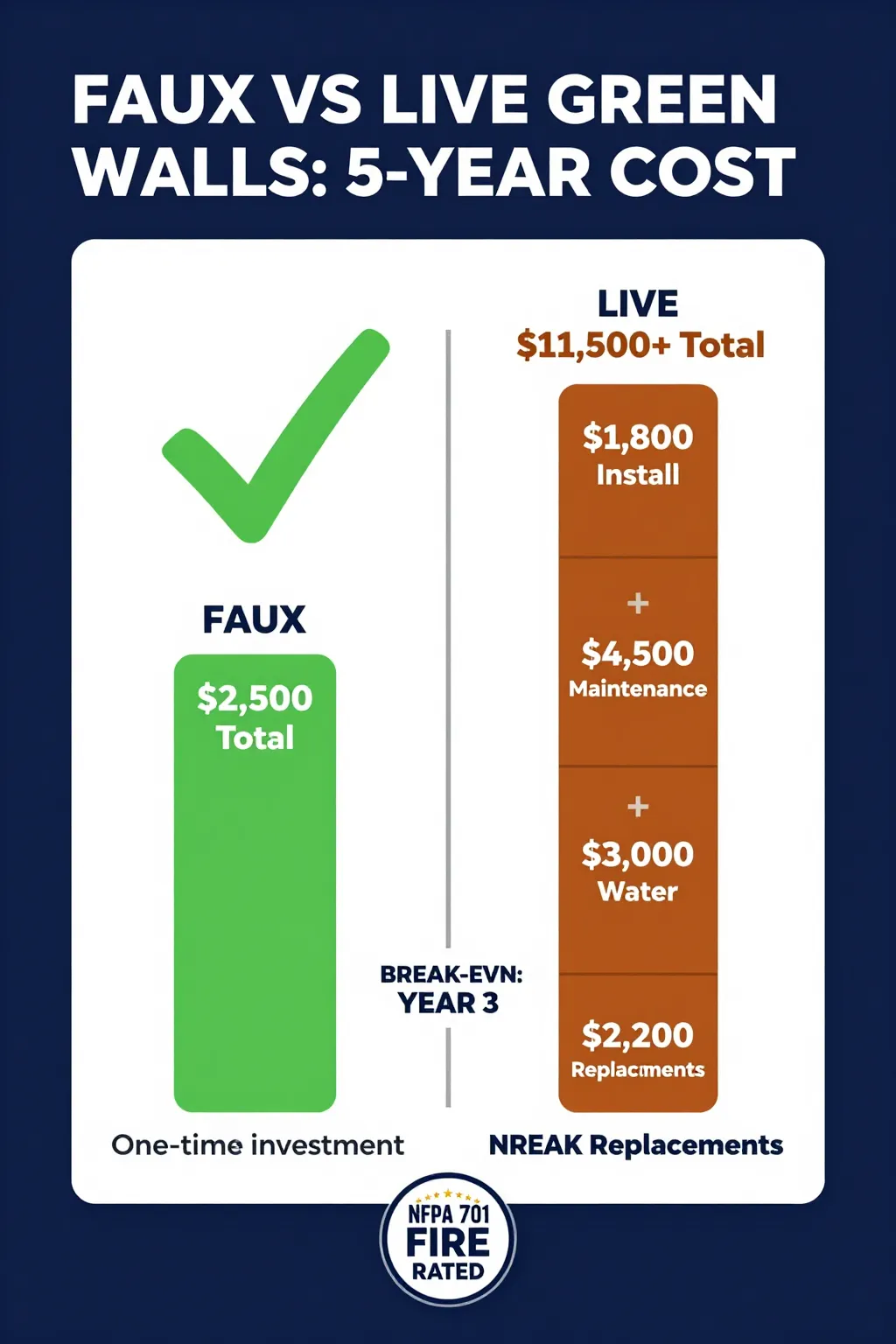
Upfront, faux costs more. A 10x10-foot premium artificial wall might run $2,500 installed, while a live version could be $1,800. But factor in:
- Monthly landscaping fees ($75–$150 for maintenance)
- Plant replacements after freezes (2021’s storm wiped out thousands of dollars’ worth of greenery)
- Water bills in drought years
- System repairs (clogged irrigation lines, pump failures)
- Pest control treatments
- Fertilizer and soil amendments
The financial advantages of faux become clearer when considering total cost of ownership. Live walls require continuous investment in their care, while faux walls have predictable, minimal ongoing costs. For businesses operating on tight budgets, this predictability is invaluable.
By year three, faux usually pulls ahead. For businesses, that predictability matters more than the initial sticker shock. Additionally, many faux wall providers offer extended warranties (5-10 years) that further protect your investment. These warranties often cover fading, structural integrity, and other potential issues that could arise over time.
The Allergy Argument
Live plants improve air quality—when they’re healthy. But moldy soil or pollen from certain species can trigger allergies. Hospitals and spas in Central Texas often opt for faux for this reason. No risk of gnats or mildew, and no seasonal sneezing fits near the reception desk.
The allergy concern extends beyond just pollen. Many people are sensitive to the natural compounds released by certain plants. For instance, some ferns release spores that can irritate respiratory systems. Ficus plants, popular in indoor designs, can trigger reactions in latex-sensitive individuals. Faux walls eliminate these concerns entirely, making them ideal for healthcare environments or spaces catering to sensitive populations.
Another often-overlooked benefit of faux is odor control. While many live plants have pleasant scents, others can emit less desirable odors, especially when stressed. Overwatered soil develops musty smells, and some flowering plants produce strong fragrances that may clash with a business's desired ambiance. Faux walls maintain complete neutrality in this regard.
Customization vs. Nature’s Rules
Want a wall of purple sage blooms in December? Or a geometric pattern with alternating succulents and grasses? Real plants won’t comply. Faux lets you force nature’s hand—useful for branding (matching company colors) or spaces with zero natural light. The downside? Some designs look obviously fake up close. Textured fabrics and varied leaf sizes help avoid the “plastic jungle” effect.
Modern manufacturing techniques have dramatically improved faux plant realism. High-end products now feature:
- Veining and texture matching real leaves
- Color gradients that mimic natural growth patterns
- Randomized placement that avoids unnatural symmetry
- Varied leaf sizes and orientations
These advancements allow designers to create stunning, believable installations that would be impossible with living plants. For themed environments (like restaurants or retail spaces), faux walls can incorporate exotic species that wouldn't survive in Texas climates, creating unique atmospheres without ecological concerns.
Installation flexibility is another plus. Faux walls can be designed to fit irregular spaces, wrap around corners, or even incorporate lighting elements within the structure. They can be installed on surfaces that couldn't support the weight of soil and water systems. This adaptability makes them ideal for retrofit projects where structural limitations might prohibit living walls.
Frequently Asked Questions
Do faux green walls look cheap?
Not if you skip big-box store versions. High-end faux uses realistic textures, color variations, and strategic “imperfections” (like occasional brown leaves). View samples in person before committing. The best manufacturers use molds taken from actual plants, preserving every natural detail from the vein patterns to subtle surface textures.
Can you mix real and faux plants?
Yes. Many clients use real plants at eye level (where viewers notice details) and faux above 8 feet. Just match leaf shapes and greens closely. This hybrid approach combines the benefits of both solutions while minimizing maintenance. Consider using real plants in accessible areas where customers might touch the foliage, reserving faux for hard-to-reach sections.
How do you clean faux walls?
Compressed air for dust, or a mild soap solution for sticky residues. Avoid pressure washers—they can dislodge individual leaves. For outdoor installations, occasional rinsing with a garden hose (on gentle spray) helps maintain appearance. Some manufacturers offer specialized cleaning solutions that enhance UV protection while removing grime.
Will HOA rules allow faux plants?
Texas HOAs often regulate “visible artificial elements.” Check covenants for terms like “natural landscaping only.” Commercial properties face fewer restrictions. When dealing with HOAs, provide samples demonstrating the realism of modern faux plants. Some boards may grant exceptions for high-quality installations that enhance property values.
What’s the lifespan of a quality faux wall?
Outdoor longevity depends on material quality, sun exposure, placement, and maintenance. Indoor installations usually hold their appearance longer because they avoid direct UV exposure. Some commercial-grade products also come with product-specific warranty coverage.
Do faux green walls require special installation?
Yes. Proper framing and waterproof backing are critical, especially outdoors. Improper installation can lead to sagging or water damage behind the panels. Professional installers use aircraft-grade aluminum frames and moisture barriers to ensure longevity. DIY installations often fail within months due to inadequate support systems.
Can faux walls be repaired if damaged?
Most quality systems allow individual leaves or panels to be replaced. Keep extra materials from your initial installation for color matching. Reputable suppliers maintain product lines for years to ensure replacement part availability. Small repairs can often be completed without removing entire sections, minimizing downtime.
Conclusion
For Texas businesses, faux green walls aren’t just a cop-out—they’re a strategic choice. Lower maintenance, no watering restrictions, and design flexibility outweigh the organic purists’ arguments. But invest in quality. The $800 Home Depot special won’t survive a single El Paso summer.
The decision ultimately comes down to your specific needs. Businesses requiring consistent appearance, minimal upkeep, and long-term cost predictability will find faux walls deliver exceptional value. Those prioritizing ecological benefits and willing to accept higher maintenance may prefer living systems—but must budget accordingly for their care.
As Texas climates become more unpredictable and water resources more constrained, faux solutions offer a practical path to lush, green aesthetics without the headaches. With modern manufacturing creating increasingly realistic options, the gap between artificial and authentic continues to narrow.
Ready to see options? Browse our commercial-grade faux walls designed for Texas conditions. No plant casualties guaranteed.
Related articles
This article is part of our complete guide to artificial hedges in Texas, which covers types, materials, climate performance, HOA approval, and more.
You might also find these useful:
- Artificial hedges vs. real plants in Texas: which is cheaper?
- Artificial vs. real boxwood in Texas: water, maintenance, and long-term value
References
[1] NFPA 701 Fire Test Standards: https://www.nfpa.org/codes-and-standards/all-codes-and-standards/list-of-codes-and-standards/detail?code=701 [2] Texas Water Restrictions Guidelines: https://www.tceq.texas.gov/response/drought/water-restrictions
Need a next step?
Need a real starting number for your project?
Use the pricing page for quick benchmarks, then send dimensions and photos for a tighter range.
Ready for the next step?
Use the page that fits your project best
Pick the shortest path based on whether you need pricing, a service page, or a local planning page.