Introduction
Texas business owners face a dilemma: how to bring nature indoors without the headaches of live plants. Real greenery in office spaces comes with watering schedules, lighting requirements, and the inevitable brown leaves that make lobbies look neglected.
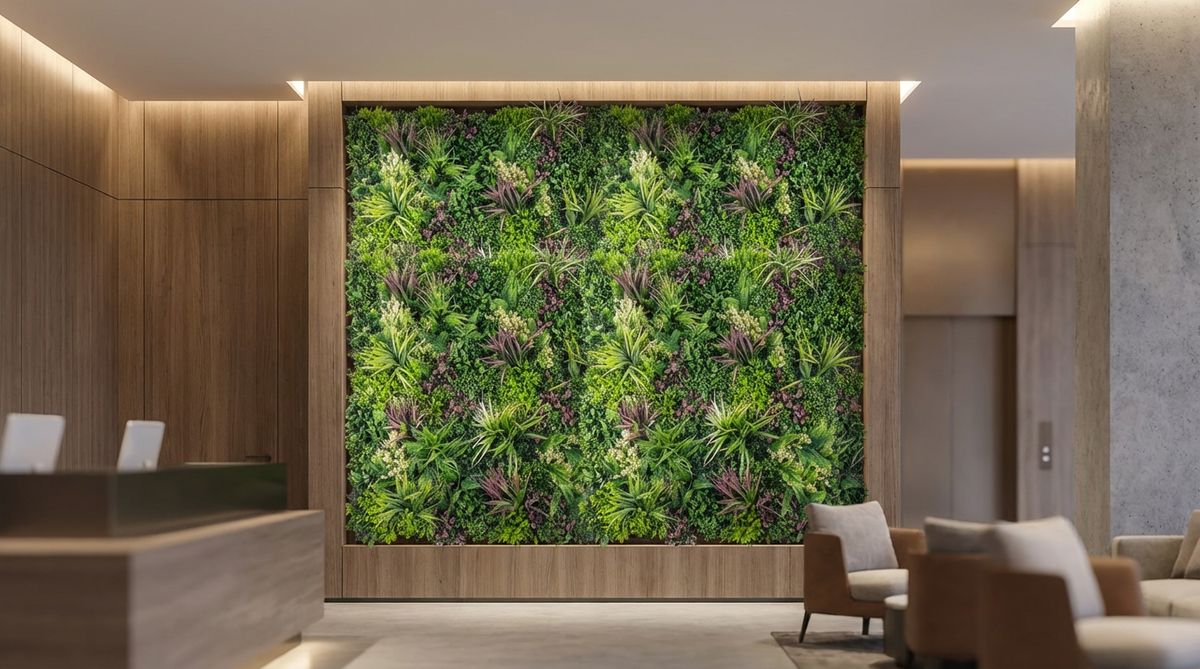
Modern faux living walls solve these problems through advanced material science and design innovation. Today's premium artificial plants incorporate photorealistic details like veined leaves, natural color variations, and even simulated dew droplets. Manufacturers now use 3D scanning technology to replicate plant specimens down to the microscopic texture of each leaf surface.
Planning a similar project? See commercial greenery installs →.
The commercial advantages extend beyond aesthetics. Unlike live walls that require structural reinforcement for water reservoirs, faux installations utilize lightweight modular panels that attach directly to standard drywall or concrete. This eliminates the need for costly architectural modifications during retrofits.
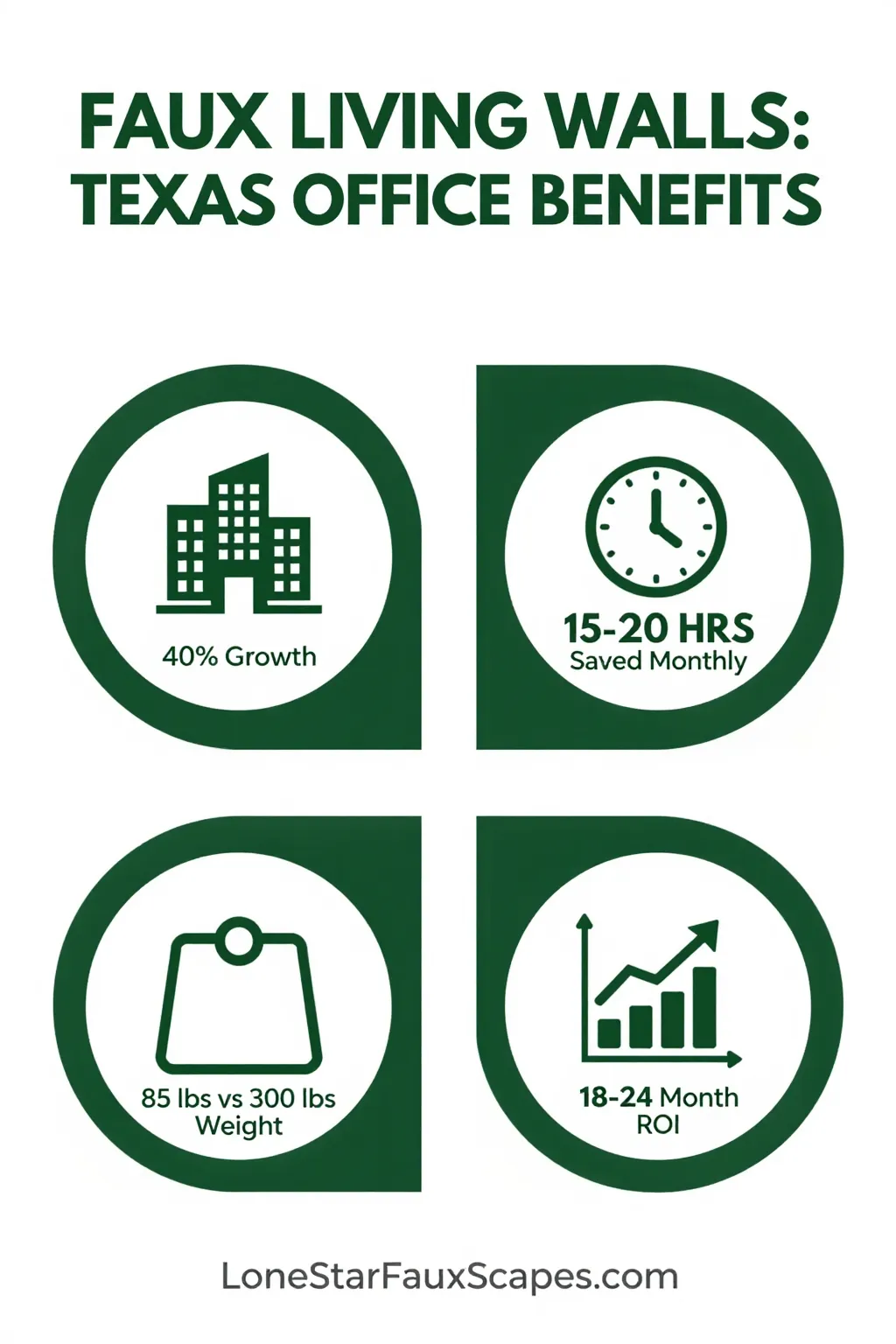
For facilities managers, the benefits are measurable. Corporate campuses report eliminating 15-20 hours monthly previously spent on plant maintenance staff. Energy savings also accrue from removing irrigation systems that often account for 5-8% of a building's water usage.
Why Texas Offices Are Switching to Faux
Planning a similar project?
Use these next pages while you read
They cover pricing, service details, and the next planning step without making you leave the article blind.
The Dallas-Fort Worth metroplex saw a 40% increase in commercial building permits last year[1], and many of these new constructions include biophilic design elements. But Texas heat creates unique challenges for live plants—even indoors.
Regional climate factors make faux walls particularly advantageous:
- Temperature fluctuations: Glass curtain walls create greenhouse effects where lobby temperatures can swing 30°F between morning and afternoon. Live plants suffer stress from these rapid changes, while faux materials remain stable.
- HVAC challenges: Forced air systems in dry West Texas climates desiccate live plants, while humid coastal air promotes mold growth in organic media. Synthetic plants eliminate both issues.
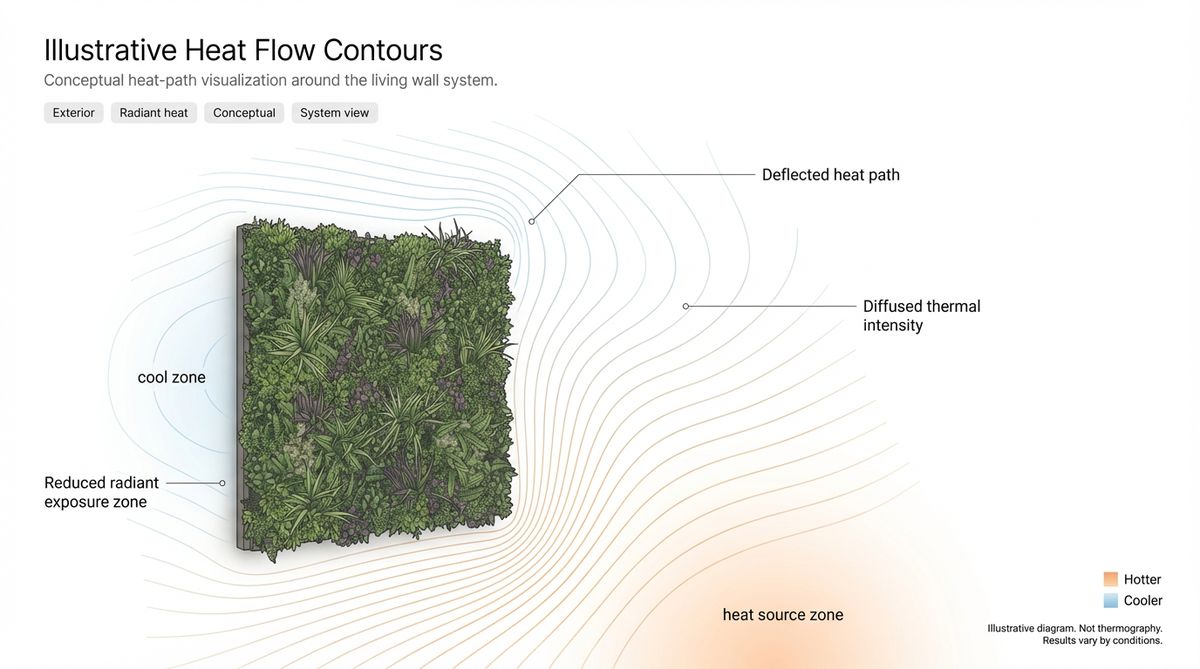
- Light exposure: The intense Texas sun bleaches fabrics and fades artwork—live plants placed near windows often develop sunscald. UV-treated faux foliage maintains vibrancy without light filters.
Maintenance comparisons reveal stark differences:
- Live walls require:
- Dedicated irrigation systems with leak detectors
- Horticultural lighting for interior locations
- Weekly pH testing of hydroponic solutions
- Pest control for fungus gnats and spider mites
- Faux walls need:
- Quarterly dusting with microfiber tools
- Occasional panel straightening
- 5-year UV coating refresh for sun-exposed areas
The operational savings compound over time. A 2024 facilities management study showed Texas businesses recoup faux wall investments within 18-24 months through reduced maintenance costs.
Customization Options You Didn't Know Existed
Standard pre-fab panels work for some, but Texas businesses often need tailored solutions. That's where fully custom faux walls shine.
Material innovations now allow:
- Variable density arrangements that create natural-looking growth patterns
- Mixed media designs combining artificial mosses with sculptural branches
- Interchangeable seasonal elements like autumn-toned maple leaves
Brand integration techniques include:
- Embossed metal logos embedded within foliage patterns
- Custom color matching using spectrophotometer analysis
- Illuminated signage backdrops with hidden LED strips
Structural adaptations address practical concerns:
- Retractable panels for access to electrical panels and plumbing
- Magnetic mounting systems for temporary display walls
- Antimicrobial coatings for healthcare environments
Installation flexibility meets diverse needs:
- Ceiling-hung "green clouds" for open atrium spaces
- Freestanding room dividers with planter bases
- Corner wrap designs that maximize small footprints
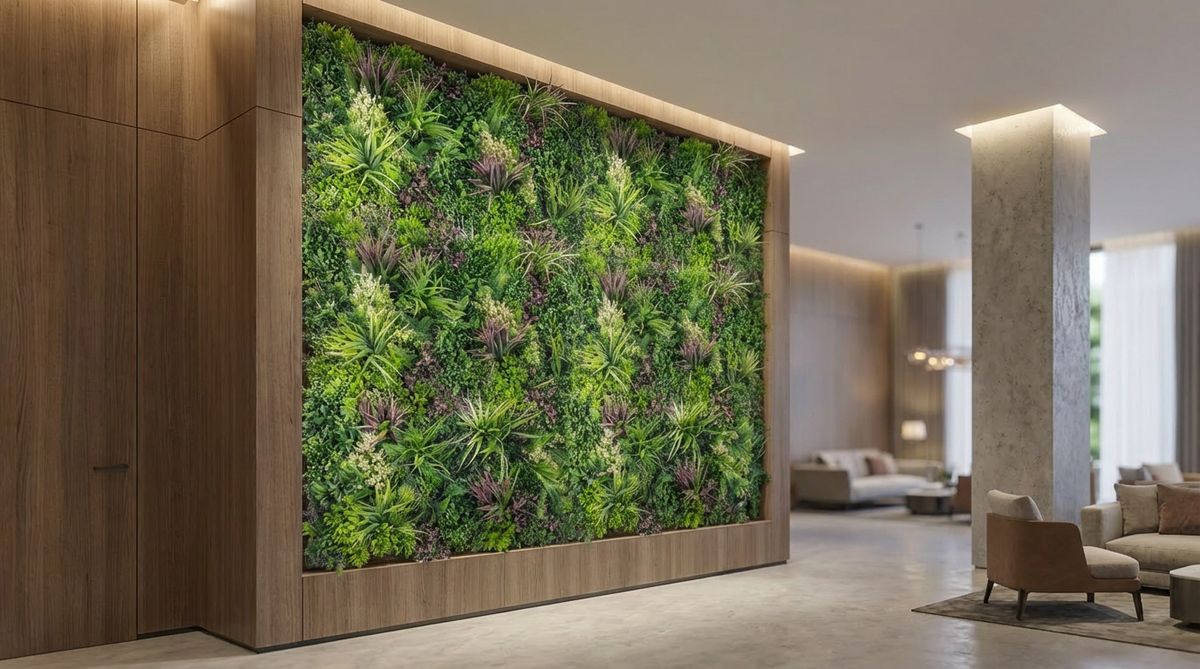
The design process typically involves:
- Digital mockups showing lighting effects at different times of day
- Material samples tested for local climate conditions
- Prototype panels evaluated for visual realism
- Final installation with precision laser alignment
Fire Safety You Can't Get With Real Plants
NFPA 701 Method 2 certification[1] isn't just paperwork—it's what allows these installations in fire-regulated spaces. The testing process subjects materials to:
- 12-second direct flame exposure
- Vertical burn chamber evaluation
- Smoke density measurement
Key safety advantages over live plants:
- No combustible growing media (soil, coco coir, peat moss)
- Zero moisture content that could turn to steam in fires
- Non-nutritive to prevent mold growth in wall cavities
Building code considerations:
- Houston Fire Code Section 803.1.1 mandates flame-resistant wall coverings in egress paths
- San Antonio requires smoke development index below 450 for large installations
- Dallas enforces strict adherence to ASTM E84 for ceiling-attached greenery
Specialized applications demand extra precautions:
- Hospitals specify wipeable antimicrobial surfaces
- Schools require impact-resistant mounting systems
- Data centers need static-dissipative materials
Maintenance protocols ensure ongoing safety:
- Annual inspection of mounting hardware
- Verification of flame retardant coatings
- Documentation of cleaning product compatibility
Installation Secrets for Texas Climates
Proper installation accounts for regional environmental factors:
Coastal installations require:
- Salt-resistant stainless steel fasteners
- Closed-cell foam backing to prevent moisture intrusion
- Extra adhesive coverage for high humidity bonding
Desert installations benefit from:
- Thermal expansion joints in aluminum framing
- Light-colored backing materials to reduce heat absorption
- Anti-static treatments for dust-prone areas
Urban high-rises present unique challenges:
- Vibration-dampening mounts near elevator shafts
- Reinforced edge detailing for cleaning equipment contact
- Modular designs accommodating future reconfigurations
Seasonal timing impacts results:
- Spring installations allow material acclimation before summer heat
- Fall projects avoid winter temperature extremes during curing
- Avoid rainy seasons when humidity affects adhesive setting
Professional installation teams should provide:
- Laser leveling for seamless panel alignment
- Custom cutting tools for precise perimeter fits
- Post-installation tension adjustments as materials settle
Frequently Asked Questions
How long do faux living walls last in direct sunlight?
Premium UV-stabilized materials usually hold color longer than cheaper imports, but performance still depends on product quality, placement, and light exposure. Look for polyethylene-based foliage rather than PVC for better outdoor durability.
Can these walls help with noise reduction?
They're not soundproof, but dense foliage panels can absorb mid-range frequencies. Pair them with acoustic backing foam for a 20-30% reduction in echo—helpful in open-plan offices.
What's the weight difference versus real plant walls?
A 10'x10' faux panel weighs about 85 lbs dry. The same size live wall with soil and irrigation can exceed 300 lbs when saturated—a real concern for upper-floor installations.
How do you clean faux living walls?
Use compressed air for monthly dust removal and a damp microfiber cloth for deeper cleaning every 3-6 months. Avoid harsh chemicals that could degrade UV coatings. For textured surfaces, soft-bristle brushes prevent particle buildup.
Can faux walls be installed outdoors in Texas?
While possible, direct UV exposure and extreme weather accelerate wear. For outdoor applications, use corrosion-resistant framing and UV-rated foliage, and match the system to the amount of sun and weather exposure it will see.
Do faux living walls affect indoor air quality?
They don't actively purify air like live plants, but high-quality materials won't off-gas VOCs. Look for GREENGUARD Gold certified products that meet strict chemical emission standards for sensitive environments.
Conclusion
Faux living walls solve Texas-sized problems through innovative design and material science. They deliver biophilic benefits without the operational burdens of live plants, making them ideal for:
- Corporate headquarters needing consistent first impressions
- Medical facilities requiring hygienic surfaces
- Educational institutions prioritizing safety and durability
The technology continues advancing with new developments like:
- Self-cleaning photocatalytic coatings
- Interactive LED-integrated designs
- Recyclable plant materials reducing environmental impact
For Texas businesses, these systems represent more than decor—they're strategic investments in sustainable, low-maintenance design. The combination of aesthetic flexibility, code compliance, and operational savings creates compelling value propositions across industries.
Ready to explore options for your space? LoneStar FauxScapes specializes in commercial-grade installations across Texas, offering:
- Free virtual mockups using your building plans
- Full-service installation with certified technicians
- Custom maintenance programs tailored to your environment
Related articles
This article is part of our complete guide to artificial living walls in Texas, which covers materials, indoor vs outdoor, commercial applications, installation, and more.
You might also find these useful:
- Artificial living walls for Texas summers: what holds up when it's 105°F
- Artificial vs. real living walls for Texas homes
References
[1] https://www.nfpa.org/codes-and-standards/all-codes-and-standards/list-of-codes-and-standards/detail?code=701 [2] https://www.austintexas.gov/department/codes-and-standards
Need a next step?
Need fire-rated options or documentation?
Send the wall size, project type, and timeline. We can tell you when fire-rated foliage or documentation belongs in the scope.
Ready for the next step?
Use the page that fits your project best
Pick the shortest path based on whether you need pricing, a service page, or a local planning page.